ABOUT THE WORKSHOP
The workshop "Hematopoietic Stem Cells: From Bench to Bedside", organized by the European Organization for Regenerative Medicine, aims to bring together researchers, clinicians, academicians, and industry experts to explore recent advances in hematopoietic stem cell biology, regenerative medicine, and translational therapies. The workshop will provide a platform for scientific exchange on emerging technologies, stem cell transplantation, gene editing, and clinical applications, fostering collaboration between basic research and patient-centered healthcare solutions.
About EORM Course and Workshop
EORM Courses and Workshops are designed to promote excellence in regenerative medicine, stem cell research, and translational healthcare through high-quality scientific education and training programs. By bringing together leading experts, researchers, clinicians, and young scientists, EORM provides an interactive platform for knowledge exchange, skill development, innovation, and global collaboration in emerging areas of biomedical and regenerative sciences.
Speakers
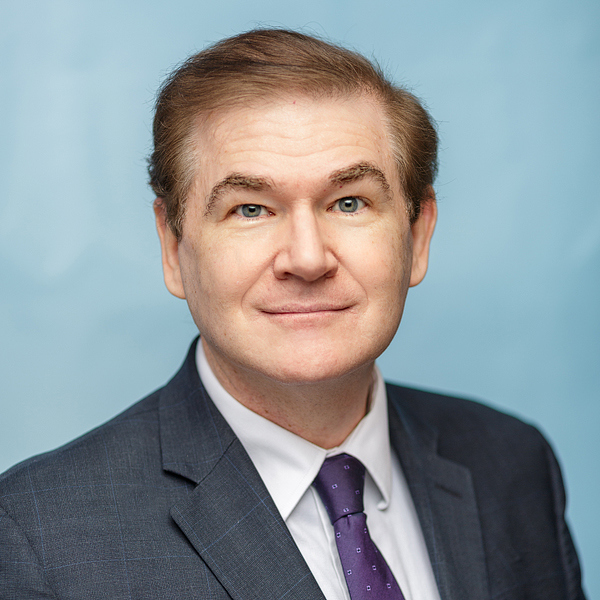
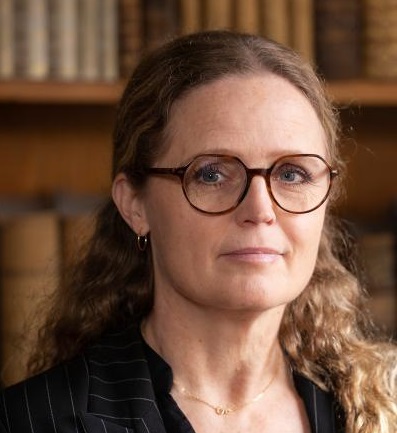
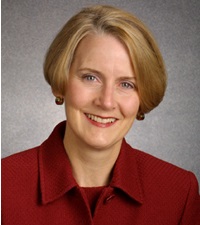
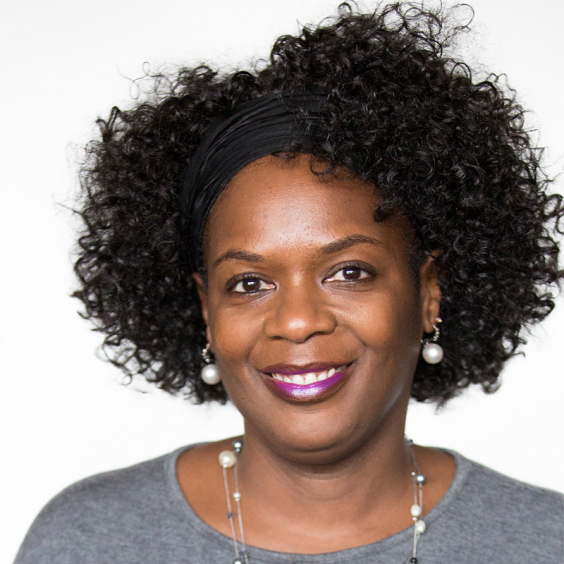
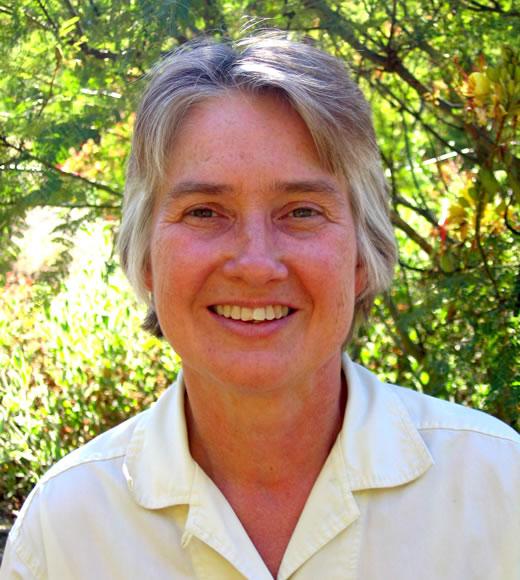
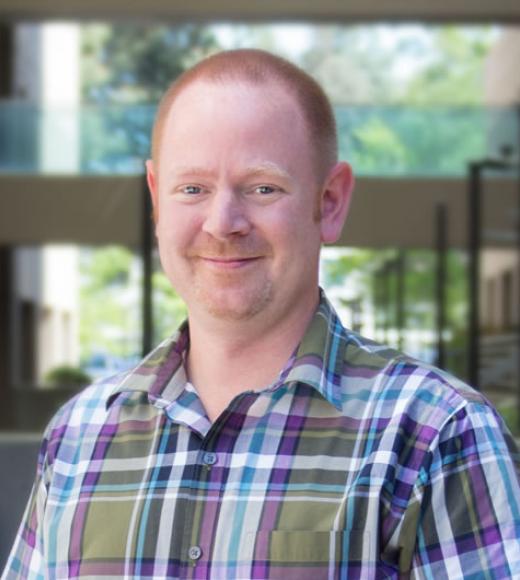
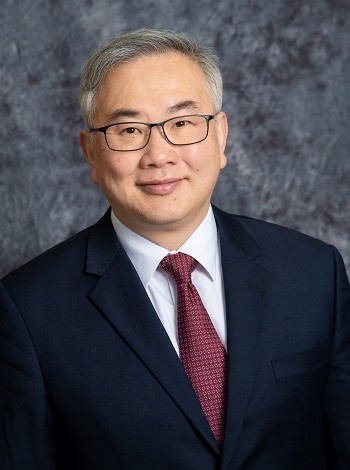
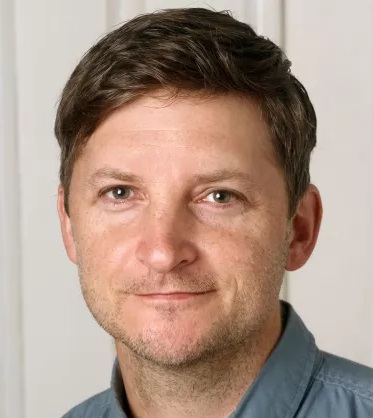
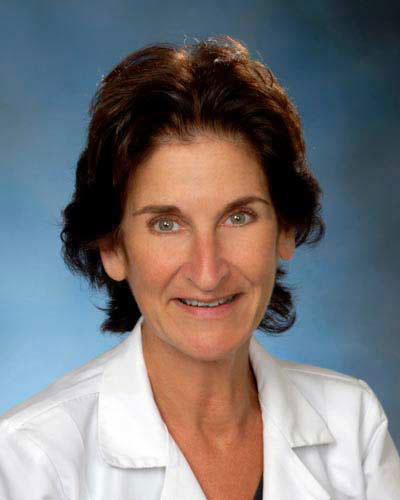
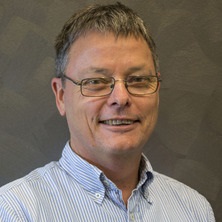
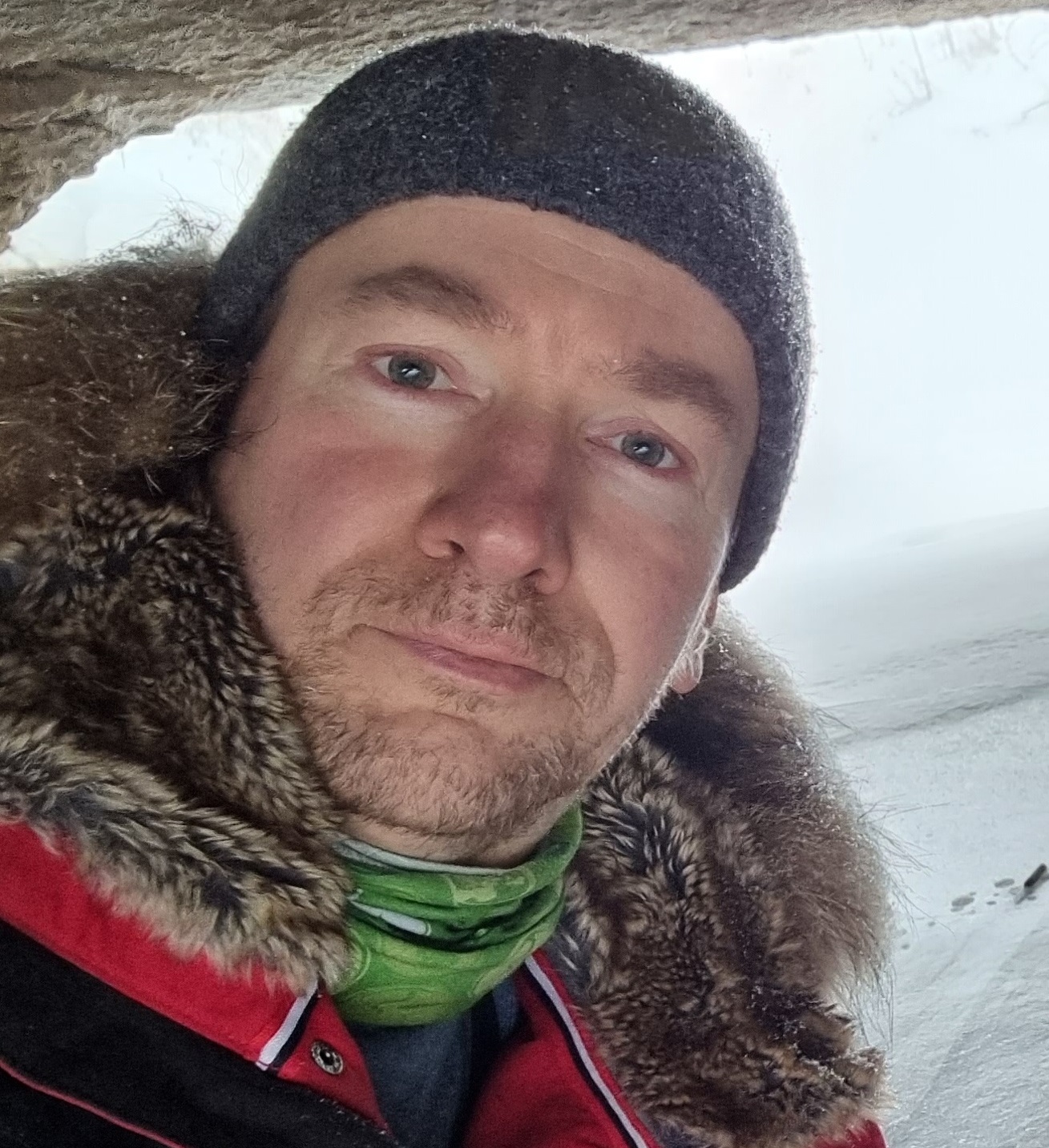
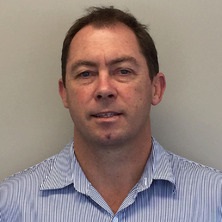
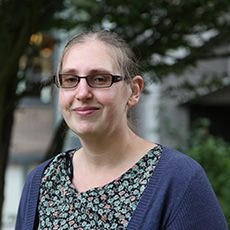
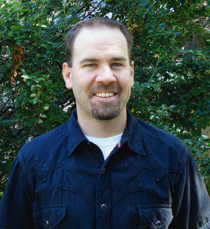
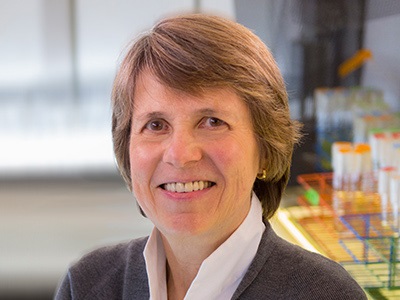
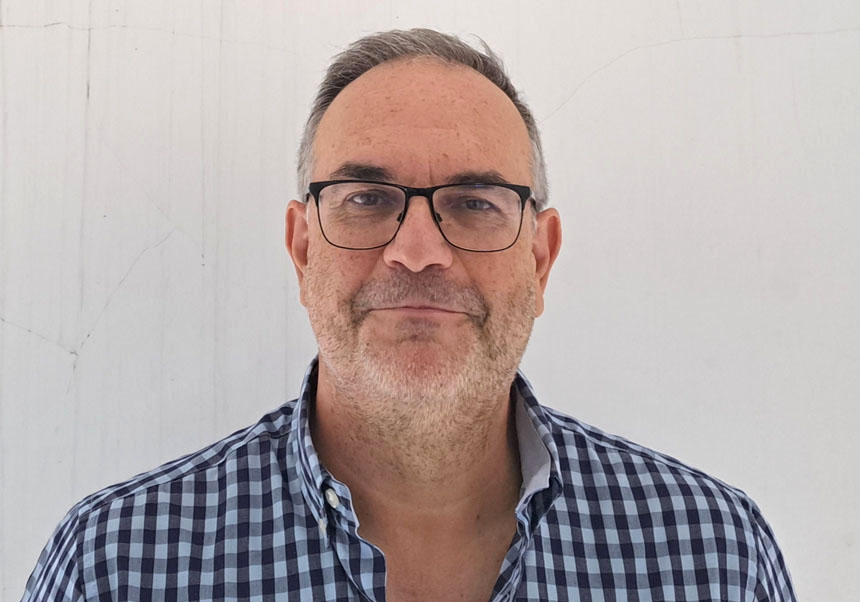
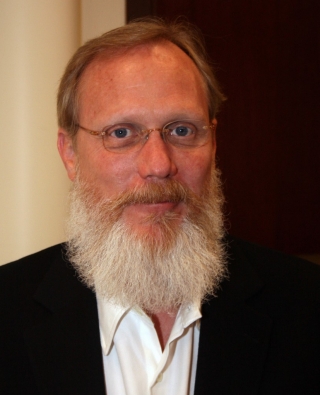
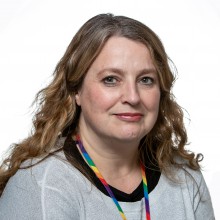
Professor Dr. Helmut KettenmannMax Delbruck Center Germany, Telethon Institute of Genetics and Medicine (TIGEM), IT

Programme
Theme: Fundamentals of Hematopoietic Stem Cells
09:30–10:00 AM
Registration and poster set up
10:00–11:00 AM
Lecture 1: Introduction to Stem Cells and Hematopoiesis
11:00–11:15 AM
Tea Break
11:15–12:30 PM
Lecture 2: Bone Marrow Microenvironment and HSC Niche
12:30–01:30 PM
Lunch Break
01:30–03:00 PM
Practical/Demonstration: Bone Marrow Cell Morphology
03:00–04:00 PM
Interactive Session: Clinical Importance of Hematopoietic Stem Cells
04:00–04:30 PM
Discussion & Quiz
Theme: Isolation and Processing of HSCs
09:30–10:30 AM
Lecture 3: Sources of Hematopoietic Stem Cells
10:30–11:30 AM
Lecture 4: Stem Cell Isolation and Processing Techniques
11:30–11:45 AM
Tea Break
11:45–01:00 PM
Hands-on: Density Gradient Centrifugation and PBMC Isolation
01:00–02:00 PM
Lunch Break
02:00–03:30 PM
Practical: Cell Counting and Viability Assays
03:30–04:30 PM
Demonstration: Cryopreservation and Stem Cell Storage
Theme: Characterization and Molecular Analysis
09:30–10:30 AM
Lecture 5: CD Markers and Immunophenotyping of HSCs
10:30–11:30 AM
Lecture 6: Flow Cytometry in Stem Cell Research
11:30–11:45 AM
Tea Break
11:45–01:30 PM
Demonstration/Hands-on: Flow Cytometric Analysis of CD34+ Cells
01:30–02:30 PM
Lunch Break
02:30–03:30 PM
Practical: RNA Isolation and PCR Basics
03:30–04:30 PM
Data Analysis and Interpretation Session
Theme: Clinical Applications and Advanced Biotechnology
09:30–10:30 AM
Lecture 7: Hematopoietic Stem Cell Transplantation
10:30–11:30 AM
Lecture 8: HLA Matching and Graft-versus-Host Disease
11:30–11:45 AM
Tea Break
11:45–01:00 PM
Case Study Discussion: Leukemia and Stem Cell Therapy
01:00–02:00 PM
Lunch Break
02:00–03:00 PM
Lecture 9: Gene Editing and CRISPR Applications in HSCs
03:00–04:30 PM
Expert Talk / Virtual Lab Tour / Industry Interaction
Expected Outcomes
By the end of the workshop, participants will be able to:
- Understand hematopoietic stem cell biology and hematopoiesis
- Perform basic stem cell isolation and characterization techniques
- Interpret flow cytometry and molecular biology data
- Understand clinical transplantation procedures and regenerative applications
- Gain exposure to advanced biotechnology tools including CRISPR and cell therapy
Registration
- Registration Deadline
- 28 July 2026
- Abstract / Poster Abstract Submission Deadline
- 10 August 2026
- Notification of Selected Participants
- By Email
- Payment Deadline
- 20 August 2026
- Participants Confirmation
- 25 August 2026
- STUDENT/POSTDOCS Free
- ACADEMIC €300
- INDUSTRY €500
a) Meeting is limited to 100 participants (including invited speakers).
b) Abstract submission and poster presentation are encouraged
c) Registration will be stopped on April 15 or earlier if all slots are covered.
d) Payment is required in order to validate this registration.
Payment
The registration fee should be paid no later than April 20, 2026
Selection criteria
Participants will be accepted by registration order.
Oral presentations and flash talks will be selected from submitted abstracts and a number of slots will be reserved for early career researchers. All selected participants will give their presentations in the form of posters.
Abstract guidelines
The abstract limit is 250 words.
Poster specifications
The poster size should be 1 m x 1.5 m (length x height) or A0 portrait. Specific time slots will be assigned for each participant to be present in person with his/her poster for direct scientific interaction.
Travel grants and registration fee waivers
Travel grants and registration fee waivers are available for participants.
Selection of awardees is handled directly by the organizers. EORM travel grants and registration fee waivers are allocated on the basis of the quality of the submitted abstract.
Applicants do not need to apply separately for these but should indicate on the registration form if they wish to be considered.
Additional travel grants are available for EORM Associate Member States Chile, India, Singapore and Taiwan.
Special travel grants and registration fee waivers
A limited number of travel grants and registration fee waivers are availablefor scientists working in Croatia, Czech Republic, Estonia, Greece, Hungary, Italy, Lithuania, Luxembourg, Poland, Slovenia and Turkey. Grants are allocated on the basis of the quality of the submitted abstract.
A maximum of 700 Euros per participant are available to cover registration fees, travel, and accommodation (no additional subsistence costs can be covered). To apply, please indicate the itemized amount requested in the travel grants section of the registration form.
Child care grants
EORM Courses and Workshop offers grants to offset additional childcare costs incurred by participants or speakers when participating at any EORM Courses and Workshop funded meeting. Eligible costs include fees for a caregiver or child-care facility, travel costs for a caregiver, or travel costs for taking the child to the meeting etc. Please indicate on the registration form whether you would like to be considered for the grant. Please also describe how you intend to use the childcare grant and specify the sum that you will need.
Contact
Prof. Dr. Jean-Michel Gibert
Email: jean-michel.gibert@eorm.eu
registration@eorm.eu
enquiry@eorm.eu
Main Organizer/Chair
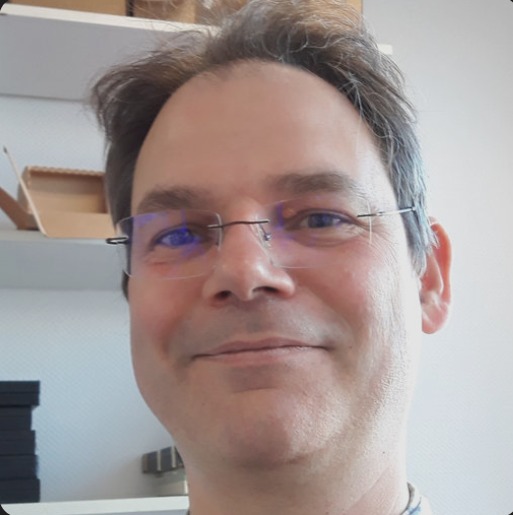
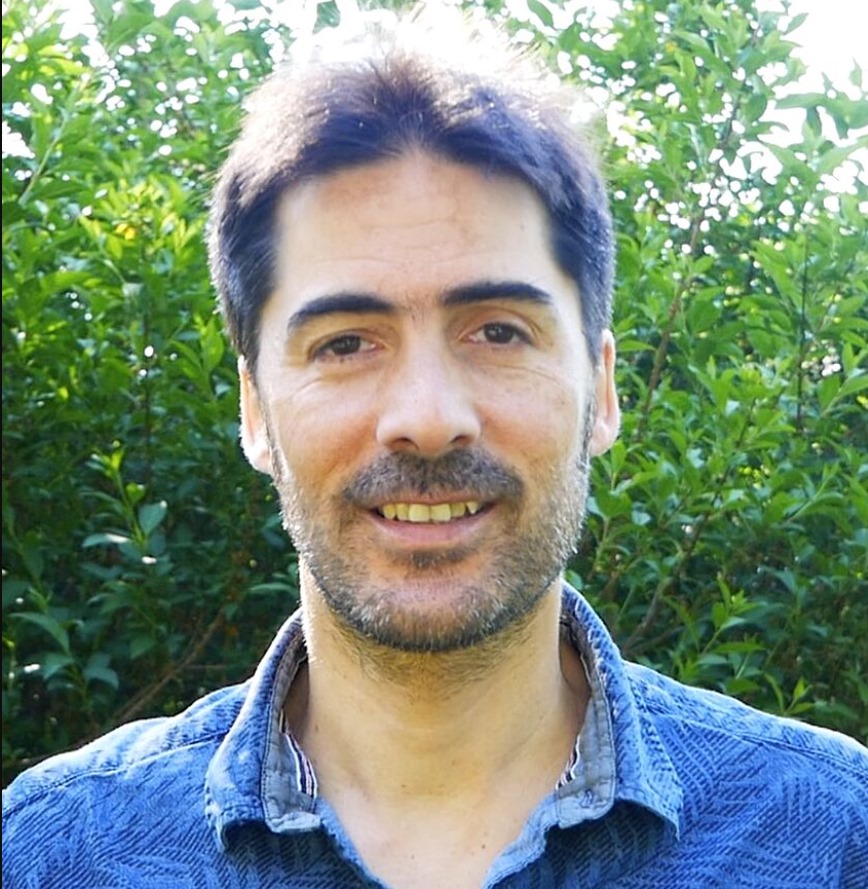
Prof. Dr. Jean-Michel Gibert jean-michel.gibert@eorm.eu AR&D – Amsterdam Reproductive and Development
University of Amsterdam
Amsterdam, The Netherlands
Co-Organizers

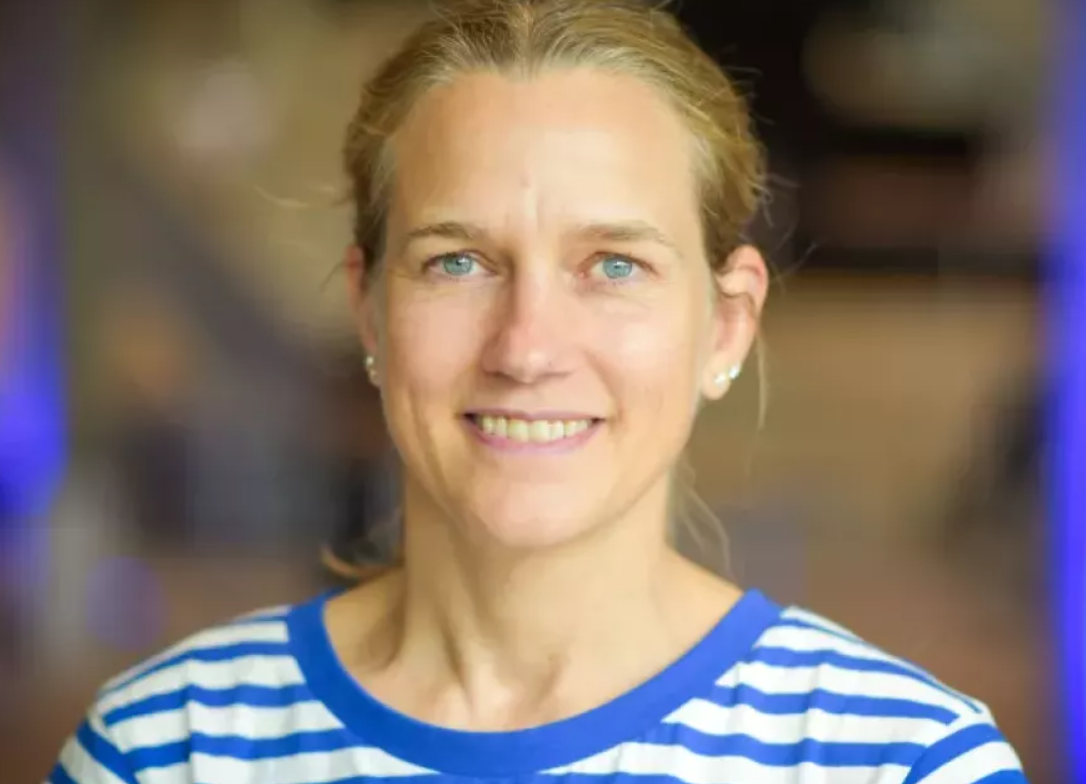
Anna Halk ahalk@eorm.eu Center for Advanced Therapy Medicinal Products (LU-ATMP), Lund University, Lund, Sweden
Venue
Amsterdam Reproductive and Development (AR&D)
University of Amsterdam
Rudi Van Dantzigstraat 11
1095 PK Amsterdam
The Netherlands
Accommodation
Accommodations are not included in the registration fees and a list of suggested hotels will be provided
Transport
The workshop venue at the University of Amsterdam is conveniently accessible from Amsterdam Airport Schiphol, the main international airport serving Amsterdam.
Participants arriving at Schiphol Airport can reach the workshop venue by train, taxi, or public transportation. Amsterdam Central Station is well connected to Schiphol Airport by frequent train services, while local tram, metro, and bus services provide convenient access to the University of Amsterdam campus and the workshop venue.
Participants travelling by taxi can also reach the venue directly from Amsterdam Airport Schiphol.





.jpg)